If engaging with this content is difficult, or if you are seeking support, these services are available.
QUICK EXIT
If engaging with this content is difficult, or if you are seeking support, these services are available.
The Institutional Assessment and Responsive Action is a comprehensive evaluation of Michigan State University’s culture, structure, and policies. This process is designed to achieve historical accountability, assess existing efforts, and identify both areas of progress and those requiring continued improvement.
The assessment will be led by MSU’s Collaborative Advisory Board, an group of subject matter experts on relationship violence and sexual misconduct. The Board will work with survivors, stakeholder groups across the university, and an external, independent firm to carry out the assessment.

The Collaborative Advisory Board members were selected because of their expertise and professional experience in institutional assessments, crisis response and survivor care, and trauma-informed communication. To contact the Collaborative Advisory Board email assessment@msu.edu.
The Collaborative Advisory Board will seek input from the survivor community and stakeholders to help inform firm selection and structure the goals of the assessment, as well as consider avenues for safe survivor engagement in the responsive action process once the assessment is complete.
The Collaborative Advisory Board will review proposals, interview prospective firms and ultimately provide a recommendation to the university president of the firm best suited to meet the identified objectives.

Sterling Riethman is head of communications at a large for-profit corporation headquartered in Colorado with locations across the United States. Based in Kalamazoo, Michigan, Sterling oversees strategic communication, media relations, strategic networking, and creative problem-solving for the organization, with a focus on aligning internal strategic initiatives with external reputation and narrative management.
In her work, Sterling focuses on creating a values-driven, people-centered workplace culture and communication framework, ensuring that communications effectively reflect an ethical foundation and communicate the values of the organization. By building deep relational bridges within and outside the company, she excels at fostering a positive community where individuals feel connected and unified.
As a survivor of assault and with an educational background that includes human psychology, Sterling has built strong relationships in the survivor community and utilized her personal and professional skills to communicate with legislators and community leaders on issues related to sexual assault. She has served on multiple boards and state-appointed task forces, advising on survivor care, abuse prevention, and crisis response, with a specific emphasis on healthy communication and engagement. Her strong relational model seeks to hear all perspectives, identify and address concerns and fears in various stakeholders, and create effective communication channels and strategies for navigating difficult issues in a collaborative and safe environment.

Dr. Rebecca Campbell is a University Distinguished Professor at Michigan State University. In her research career, Dr. Campbell studies sexual assault survivors’ disclosure and help-seeking experiences with the legal and medical systems. She has published over 175 scientific papers and 2 books on these topics, and has conducted over 300 presentations at state, national, and international conferences. Dr. Campbell’s research has been funded by the National Institute of Justice, the National Institute of Mental Health, the Centers for Disease Control and Prevention, the National Science Foundation, and the Department of Justice’s Bureau of Justice Assistance and Office on Violence Against Women.
Based on this work, Dr. Campbell created a comprehensive training program on the neurobiology of trauma. For over 10 years, Dr. Campbell trained multidisciplinary practitioners in civilian, military, and campus settings on the impact of trauma. This training helped front-line service providers and organizational leaders understand the science of trauma and how victimization affects behavior, memory, and health. Dr. Campbell created trauma-informed investigational protocols, victim service and response programs, and leadership seminars. Dr. Campbell received multiple awards for this work, including the Visionary Award for Leadership in Ending Violence Against Women from End Violence Against Women International, and the Vision 21 Crime Victims Research Award from the Office for Victims of Crime, U.S. Department of Justice.
Most recently, Dr. Campbell has turned her attention to studying institutions that have had large-scale, catastrophic failures in their response to sexual assault. Often termed “sexual assault scandals” by the media, Dr. Campbell has worked with multiple civilian organizations, military branches, and institutions of higher education as they have faced internal and external reckoning for how they have treated sexual assault victims. Dr. Campbell helps organizations develop response plans, communications strategy, service programs, and accountability structures. For example, Dr. Campbell has worked with the City of Detroit since 2010 when they discovered over 11,000 untested sexual assault evidence kits in a storage facility. Dr. Campbell was the lead researcher for the National Institute of Justice-funded Detroit Sexual Assault Kit Action Research Project, which was a multi-year effort to test all sexual assault evidence kits, develop trauma-informed programs, and rebuild trust with the community. This work was designated as an Exemplary Project by the Association of Public & Land Grant Universities and the W.K. Kellogg Foundation. From 2018-2023, Dr. Campbell served as a Presidential Advisor at Michigan State University on relationship violence and sexual misconduct. Dr. Campbell co-created and implemented a five-year strategic plan to change organizational culture regarding sexual assault, sexual harassment, and workplace incivility. Dr. Campbell received the 2020 Distinguished Woman in Higher Education Leadership Award from the American Council on Education for her work with Michigan State University.
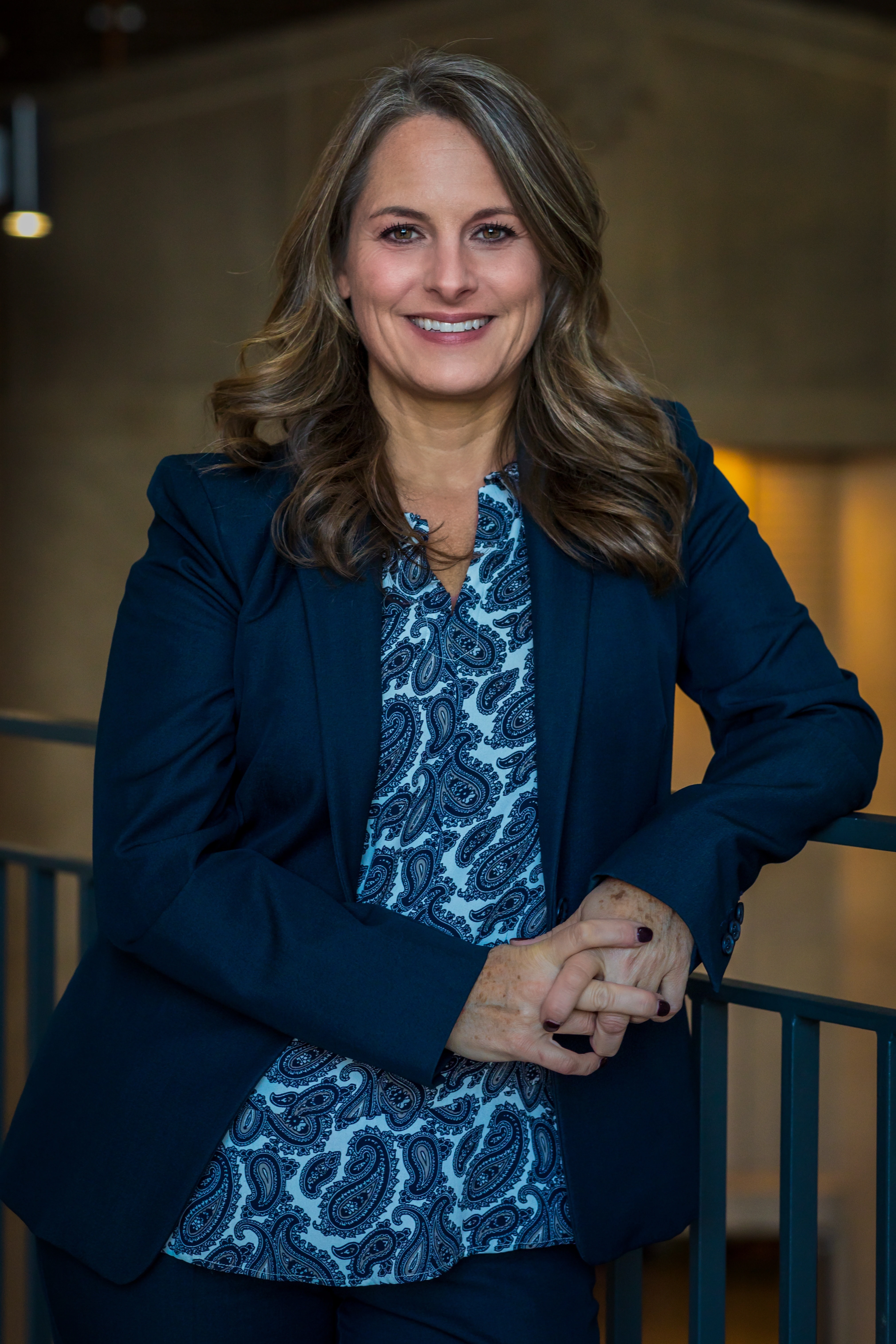
Andrea Munford currently works for the MSU Office of the President, developing culture assessments and initiatives. Prior to this, she recently retired as Deputy Chief at the Michigan State University Department of Police and Public Safety. She held a variety of positions over 28 years, including Special Victims Unit detective and supervisor, crime scene investigator and unit supervisor, cold case homicide task force investigator, and civil disorder response instructor.
Munford also served as adviser to the MSU Office of the President on relationship violence & sexual misconduct (RVSM) at MSU from 2019–2023. She was a member of the MSU RVSM Expert Advisory Workgroup until 2023 and co-authored MSU’s RVSM Strategic Plan. She also develops training for law enforcement and other disciplines on trauma-informed response. She is a graduate of the Michigan State University School of Staff and Command. Deputy Chief Munford graduated from MSU with a bachelor’s degree in Criminal Justice.
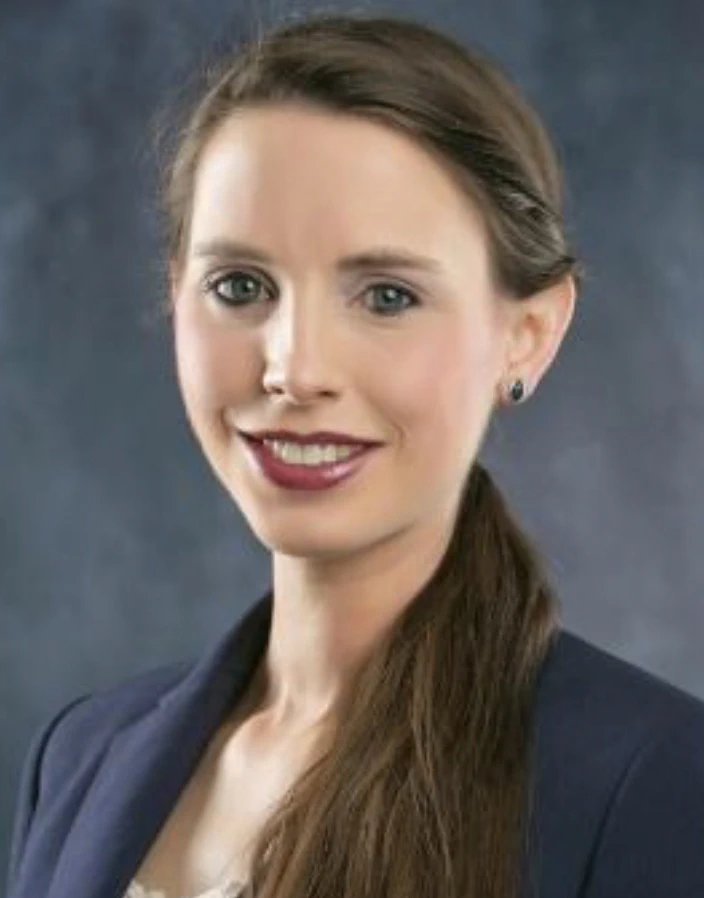
Rachael Denhollander is a member of the California Bar who specializes in abuse prevention and crisis response, education, and survivor support.
As an educator, Rachael teaches at law schools, universities, Bar Association conferences, medical conferences, non-profits, law enforcement conventions, and military academies, including West Point, Virginia Military Academy, and the US Naval Academy. She has addressed workgroups at the United Nations as well as legislatures across the country and testified at the request of Canadian Parliament on effective investigations, assessments, and reform. Rachael’s work focuses on abuse prevention, crisis response, proper structures and processes for investigations and assessments, institutional transformation, and survivor care.
Rachael works as a crisis consultant for institutions facing sexual abuse allegations, creating and directing proper structure and framework for survivor care, investigative processes, institutional assessments, and institutional transformation. Her work addresses policy, structure, and culture, with a focus on safe, relational bridges for survivors and collaborative engagement with leadership to meet unique community and stakeholder needs. With a background in communications, she ensures that messaging is effective, trauma-informed, and accessible to all. Her integrated approach combines legal, communications, and trauma-informed expertise to foster institutional and community restoration.
She is the co-author of Effective engagement of survivors of harassment and abuse in sport in athlete safeguarding initiatives: a review and a conceptual framework, published in the British Journal of Sports Medicine, which outlines healthy and safe approaches for engaging traumatized communities in institutional transformation.
Rachael believes that for any process to be effective, safe spaces must be created where all stakeholders can express concerns, ask difficult questions, and move through the necessary steps together toward restorative unity.

Trinea Gonczar is the Director of Engagement for Avalon Healing Center – a non-profit, 501(c)(3), comprehensive organization that provides compassionate and trauma-informed care to survivors of sexual assault.
Avalon provides a safe, quiet, confidential environment with specially trained Sexual Assault Forensic Examiners in order to provide medical examinations and forensic evidence collection for rape victims. Avalon is staffed 24 hours a day, 7 days a week, and all of our services are free of charge. Services are available to all ages and gender identities. Avalon’s services are available to anyone, despite where they live or where they were assaulted. It is a unique model of direct-service survivor care which brings a multi-faceted approach to trauma care, crisis intervention, mental health services, and therapeutic services. Avalon Healing Center is the largest and busiest program of its kind in the state of Michigan and in the top 5% in the country for patient/client volume.
As an intricate part of the Avalon team and a survivor of sexual assault, Trinea educates on sexual assault prevention, crisis response, trauma-informed practices and approaches, as well as leading a Capital Campaign of 15 million dollars to help expand Avalon’s 19-year “one stop shop model of care” for all survivors, of any kind of sexual violence, globally.
Trinea has spoken on panels at ESPN, the United Nations Townhalls, non-profits, universities, medical conferences, Congressional workgroups, and corporate panels. Trinea has also facilitated survivor groups within the Canadian National Gymnastics team, United States Olympic Snowboarding team, and has worked alongside Sports Equity Lab (Stanford University) and the Moore’s Center at Johns Hopkins Bloomberg School of Public Health.
Trinea has served on numerous workgroups at the local, state, and national levels and participated in task force groups relating to sexual violence. She is a sought-after speaker, providing guidance to organizations and communities on how to respond compassionately and effectively to survivors. She serves on Michigan State University’s Sexual Assault Nurse Examiner Advisory Board, is the Co-Chair for the Safe Sport International Athlete Advisory Group, and participated in the International Olympic Committee Certificate: Safeguarding Officer in Sport education program.
The Institutional Assessment and Responsive Action is a comprehensive evaluation of the university’s culture, structure, and policies to achieve historical accountability, review existing efforts, and identify and address areas of progress and those in need of continuous improvement. The effort will be led by Michigan State University’s Collaborative Advisory Board.
Survivors and advocates have long called for a role in securing meaningful historical accountability and comprehensive diagnostics from Michigan State University. This effort by the Collaborative Advisory Board is separate and distinct from previous efforts undertaken by the university.
Overall, the goals of the institutional assessment and responsive action process will be to:
The Collaborative Advisory Board will seek input from the greater survivor community and stakeholders to help inform firm selection and structure the goals of the assessment, as well as consider avenues for safe survivor engagement in the responsive action process once the assessment is complete.
The Institutional Assessment and Responsive Action is a comprehensive evaluation of the university’s culture, structure, and policies to achieve historical accountability, review existing efforts, and identify and address areas of progress and those in need of continuous improvement. The effort will be led by Michigan State University’s Collaborative Advisory Board.
The Collaborative Advisory Board will work with survivors as well as multiple other stakeholder groups, and an external, independent firm to conduct this Institutional Assessment and Responsive Action.
This assessment is about accountability, learning, and lasting change. Survivors and advocates, particularly since the events surrounding Larry Nassar, have long called for a comprehensive review to assess the university’s culture, structure, and policies, and ensure effective reform.
University leadership and the Collaborative Advisory Board believe it is critical that every voice is heard in this process and recognize that a comprehensive process done in collaboration with survivors has not previously taken place. An integral part of the work of the Collaborative Advisory Board will be to open trauma-informed channels of communication to ensure that survivors will have a voice in this process and that improvements take root.
The Institutional Assessment and Responsive Action has the full support of President Guskiewicz and the MSU Board of Trustees.
The Collaborative Advisory Board is comprised of:
The Collaborative Advisory Board members were selected because of their expertise and professional experience in institutional assessments, crisis response and survivor care, and trauma-informed communication.
The Collaborative Advisory Board will oversee the process of conducting the Institutional Assessment and Responsive Action. The Collaborative Advisory Board will begin by collecting feedback from survivors and multiple diverse stakeholder groups about this project.
Based on this feedback, the Collaborative Advisory Board will develop criteria for selecting an external firm.
Options for engaging with the Collaborative Advisory Board will be made available through the Institutional Assessment and Responsive Action website found at msu.edu/assessment.
The Collaborative Advisory Board will be structured to ensure confidentiality for any survivor or stakeholder who wishes to provide feedback or contribute to the process. At all times, survivor confidentiality is paramount.
Yes. The Collaborative Advisory Board will supply survivor-centered trauma-informed resources and support.
Michigan State University relies on an established process for developing and releasing RFPs (request for proposals). An RFP will be publicly released to solicit proposals from external firms.
The Collaborative Advisory Board will review proposals, interview prospective firms and ultimately provide a recommendation to the university president of the firm best suited to meet the identified objectives.
An external firm is essential to carry out a thorough, comprehensive assessment of the university’s culture, structure and policies. This ensures that the assessment process remains independent and focused on meaningful change.
Survivors and advocates have long called for an independent assessment of Michigan State University’s culture, structure and policies. In this project, survivors will have a seat at the table to ensure this assessment is survivor-centered and trauma-informed.
No, the Institutional Assessment and Responsive Action is a broad evaluation of institutional culture, structure and policies. It is not an investigation of the university.
No. While understanding the institutional gaps, breakdowns, or failures that allowed that abuse in the past will be a critical part of this process, the Collaborative Advisory Board members and university leadership recognize that there are many survivors whose experiences arose in very different contexts, and we believe every voice and every experience is critical in helping accurately diagnose areas where growth and change are needed. Outreach, participation, assessments, and recommendations will focus on all voices and consider all aspects of abuse prevention and crisis response.
The Institutional Assessment will be comprehensive and will examine historical factors as well as current circumstances that contribute to the university’s culture, structure and policies.
One of the most pressing questions from survivors and advocates is whether the assessment will have access to previously restricted or redacted documents, including those protected by attorney-client privilege. We understand full transparency is necessary to ensure effective reform, and we are currently working to create the framework and structure needed to ensure that the assessment can meaningfully address questions about past institutional failures while protecting survivors’ and others’ confidentiality. As this framework is established, it will be announced and explained clearly.
The Institutional Assessment and Responsive Action is focused on understanding systemic issues rather than identifying individual wrongdoers. However, questions about individual and institutional accountability are expected, and the process will strive to provide transparency to the extent possible, without compromising survivor privacy or violating legal obligations.
Options for engaging with the external firm conducting the assessment will be made available through the Institutional Assessment and Responsive Action website found at msu.edu/assessment. Once a firm is selected, a separate external website not associated with the university will be accessible for those who wish to participate in the assessment.
Upon selection of a firm and finalizing of terms, full transparency regarding confidentiality provisions will be provided. At all times, survivor confidentiality is paramount.
The timeline for results depends on the scope of the assessment, but preliminary findings may be shared in phases. The Collaborative Advisory Board is committed to transparency and will provide regular updates as the assessment progresses.
The Know More Survey is a valuable tool that gathers data on individual experiences with Relationship Violence and Sexual Misconduct (RVSM) and perceptions of campus climate. The data collected as part of the annual survey contributes to MSU’s RVSM Strategic Plan.
The Institutional Assessment and Responsive Action will be used to analyze the university’s structures, policies, and culture. The Institutional Assessment and Responsive Action seeks to identify systemic issues and recommend long-term solutions.
Initially, the focus is on completing the Institutional Assessment and Responsive Action and ensuring the university follows through on its commitments. However, in later phases, the findings may serve as a model for other institutions looking to improve their own RVSM policies and accountability measures. While higher education leaders will likely become aware of the assessment through media coverage, a broader outreach effort may be considered once concrete improvements have been made.
The findings of the Institutional Assessment and Responsive Action will be presented to university leadership and will also be made available to the public.
Survivors and advocates have long called for meaningful accountability. This process will help:
The Institutional Assessment and Responsive Action will include the contributions of independent experts and survivors’ voices as partners in identifying areas for improvement and recommending corresponding action.
Yes. The Collaborative Advisory Board will supply survivor-centered trauma-informed resources and support.
Michigan State University has made available a website dedicated to the Institutional Assessment and Responsive Action and the work of the Collaborative Advisory Board, www.assessment.msu.edu, that includes updates and information.
This website will be updated and will include links to the vendor-supported website for the Institutional Assessment and Responsive Action once a firm is selected via an RFP process.
University leadership and the members of the Collaborative Advisory Board have been working together to develop the foundation for the Institutional Assessment and Responsive Action for several months. A formal contract to begin the work was finalized at the beginning of May.
The assessment will include a full public report of the findings and recommendations. The findings will be used to strengthen university policies, improve prevention and response systems, and ensure greater institutional accountability. Michigan State University is committed to implementing recommendations that emerge as part of the Institutional Assessment and Responsive Action and will provide regular updates on progress to the campus community.
This website will provide options for engaging with the Collaborative Advisory Board. The Board will begin by collecting feedback from survivors and multiple diverse stakeholder groups. Survivor confidentiality is paramount at all times, and the Board is structured to ensure confidentiality for any survivor or stakeholder who wishes to provide input or request information.
Additional opportunities to engage with the external firm conducting the assessment will be shared once the firm is selected. A separate external website—not associated with the university—will be created to support that participation. Full transparency regarding confidentiality provisions will be provided. Survivor-centered, trauma-informed resources and support will be made available throughout the process.
Submit feedback or questions about this process via email at assessment@msu.edu.
Since its announcement in May, the Collaborative Advisory Board has had the opportunity to engage with stakeholders at MSU and survivor communities, with additional engagements scheduled and pending. For the current phase of the assessment, these meetings have centered around the unique needs of each community and ensuring that both the overall project and the selected firm meets the goals and needs of all stakeholders.
The Request for Proposals has now published, and the Collaborative Advisory Board is awaiting proposals from interested firms. Per the requirements and standards of the public RFP process, the Collaborative Advisory Board, in consultation with relationship violence and sexual misconduct (RVSM) Advisers, Dr. Stephanie Anthony and Dr. Carrie Moylan, will evaluate written proposals, interview selected potential firms, and prepare a report on each interviewed firm, which will be provided to President Guskiewicz for his selection of the final firm. Based on timeline requirements for this process, the Collaborative Advisory Board anticipates selection of a firm in early November. To view the requirements for firms and an overview of the goals of the assessment, the RFP may be reviewed here: https://upl.msu.edu/common/documents/rfp-893675.pdf.
Following selection of a firm, the Collaborative Advisory Board will work with the firm to ensure that the scope and commissioned work product accurately reflects the needs of survivors and stakeholders and is both effective and efficient in reaching the goals of the assessment process.
Additional questions, input, and concerns may be directed to the Collaborative Advisory Board at assessment@msu.edu